
Diaspora
The Indian diaspora is one of the largest in the world, and it is not one thing. A Tamil family in Malaysia, a Gujarati family in Uganda, a Malayali nurse in the Gulf, and a software engineer in California are products of four separate migrations with different legal regimes, different class positions, and almost nothing in common except the country they left.
Indenture
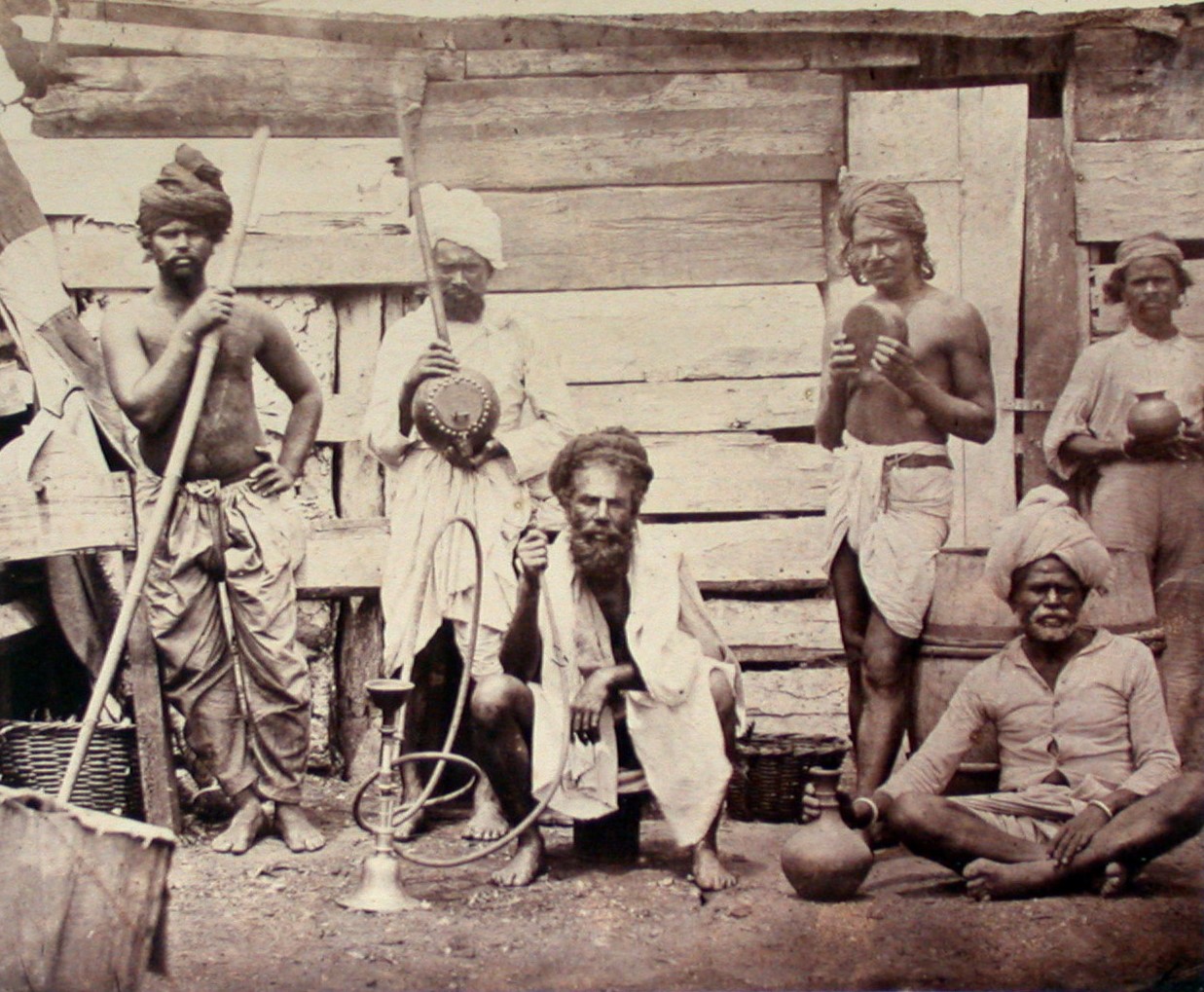
Britain abolished slavery in its empire in 1833, and the plantations still needed labor. The system that replaced enslavement was indenture: a contract, typically five years, with passage, wages, and rations, recruited overwhelmingly from the poorer districts of eastern Uttar Pradesh, Bihar, and the Tamil country. The first shipments to Mauritius left in the 1830s. Over the following eighty years, more than a million people went to Mauritius, British Guiana, Trinidad, Fiji, Natal, Suriname under a Dutch arrangement, and the French colonies.
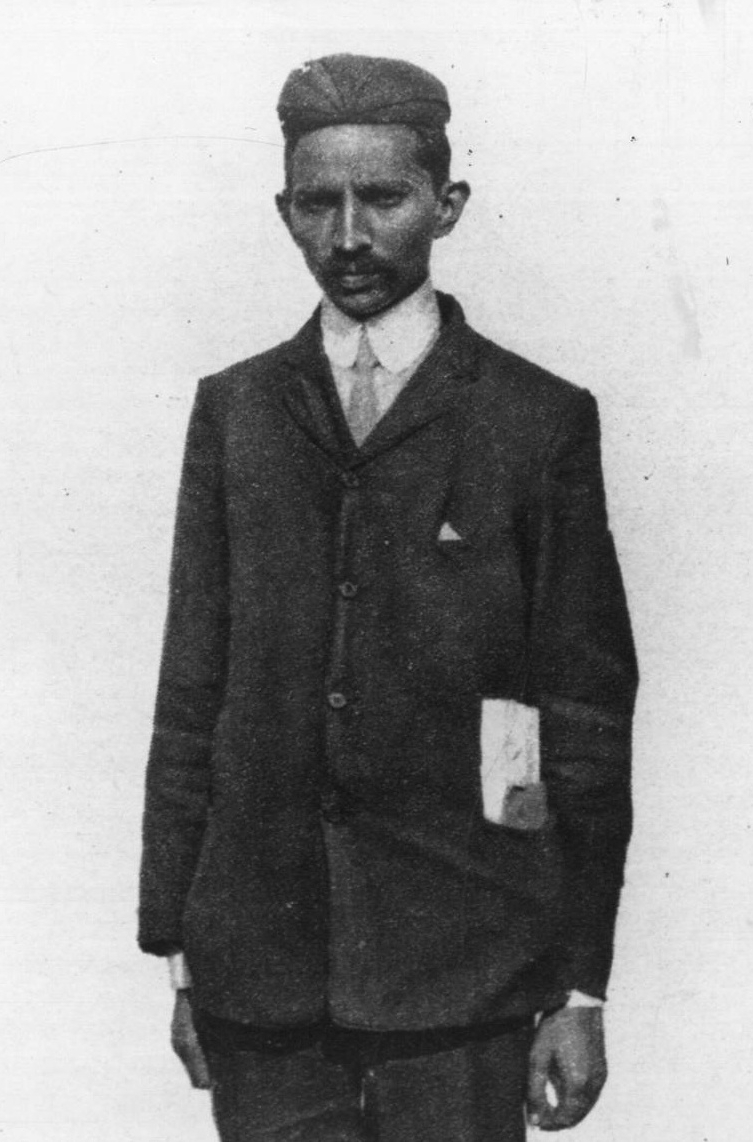
The contracts were voluntary in form. In practice, recruiters misrepresented destinations and conditions; the return passage was often unaffordable or unenforced; penal sanctions punished breaches of contract with imprisonment; and plantation discipline was severe. Sex ratios were badly skewed, which shaped everything about the communities that formed. Gandhi’s political career began in this system: he went to South Africa in 1893 as a lawyer. He spent two decades organizing against the disabilities imposed on Indians there before returning to India in 1915.
The indenture system was investigated, criticized in India by nationalists, and abolished at the end of the First World War. The migrants who stayed built societies whose descendants are now several generations local: Bhojpuri-derived speech and Hindu and Muslim practice in Trinidad and Guyana; the Bhojpuri creole and Tamil traditions of Mauritius; and Fiji Hindi as a distinct language. Their politics became entangled with the ethnic arithmetic of decolonization, sometimes violently, as in Fiji’s coups and Guyana’s racialized party system.
Parallel systems moved far larger numbers around the Bay of Bengal under the kangani and maistry arrangements: Tamil workers to Ceylon’s tea and Malaya’s rubber, and workers from across eastern India to Burma. Those migrations were more circular and less contractually rigid, and many of those populations were later expelled or disenfranchised, most brutally in Burma around the Second World War.
Merchants
A quite different migration ran on capital rather than contract. Gujarati, Sindhi, Chettiar, Bohra, Khoja, and Marwari trading communities operated financial and commercial networks across the Indian Ocean for centuries, in some cases well before European colonialism. Chettiar bankers financed agriculture in Burma and Malaya. Gujarati merchants built commercial communities down the East African coast, expanded under British rule alongside the Uganda Railway, and came to dominate retail and small industry in Kenya, Uganda, and Tanganyika.
That position was precarious in exactly the way commercial minorities usually are. Idi Amin expelled Uganda’s Asian population in 1972, roughly eighty thousand people, most of whom went to Britain, some to Canada and India. The Gujarati commercial presence in Britain’s midlands towns dates substantially from that expulsion.
Britain, North America, and the professions
Postwar Britain recruited labor from the Commonwealth, and Punjabi, Gujarati, and Bengali migration grew through the 1950s and 1960s until successive immigration acts restricted it. The communities that formed were industrial and working-class before they were anything else, and they built the institutional infrastructure, temples, gurdwaras, mosques, shops, and later political representation, that made a permanent presence possible against sustained racism.
North America worked differently. Early Punjabi migration to California and British Columbia at the start of the twentieth century ran into exclusion laws and the Komagata Maru affair of 1914, when a ship carrying Punjabi passengers was refused entry to Canada. The modern American population dates from the 1965 immigration reform, which prioritized professional and technical qualifications and therefore selected, from the start, for engineers, doctors, and graduate students. That produced a diaspora with an unusual class profile: median household incomes above the American average within a generation, heavy representation in medicine and technology, and, more recently, chief executives of several of the largest American technology companies and politicians in both major parties.
That profile is not representative of India, and treating it as evidence about Indians in general is a straightforward selection error. It also obscures the less comfortable parts: caste has traveled with the migration, and disputes over caste discrimination in American workplaces and universities have surfaced in litigation and policy.
The Gulf
The largest migration is the most recent and the least discussed. After the oil boom of the 1970s, millions of Indians, disproportionately from Kerala, Tamil Nadu, Andhra Pradesh, Uttar Pradesh, and Bihar, went to work in the United Arab Emirates, Saudi Arabia, Oman, Qatar, Kuwait, and Bahrain, mostly in construction, services, domestic work, and healthcare.
This migration is explicitly temporary. Under the kafala sponsorship systems, residence is tied to an employer, naturalization is essentially unavailable, and families frequently cannot accompany the worker. Abuses are well documented: withheld wages, confiscated passports, recruitment debt, and dangerous conditions. The reforms of the last decade have been real but partial.
Its effect on India is enormous. India receives more remittances than any other country, over a hundred billion dollars a year in recent estimates, and in Kerala, that money reshaped housing, education, land prices, and household economics for two generations. The Gulf migrant is the most economically consequential figure in the diaspora and the least visible in its self-image.
Politics, both directions
The diaspora has never been politically inert. It financed and organized the independence movement, from the Ghadar Party formed on the American West Coast in 1913 to fundraising networks across Southeast Asia and Africa. Since the 1990s, overseas funding and advocacy have supported religious, charitable, and political causes in India across the spectrum, and Hindu nationalist organizations in particular have built effective diaspora networks. Indian governments have courted that constituency, creating overseas citizenship status, a dedicated annual convention, and large diaspora events on foreign tours.
The traffic runs the other way, too. Diaspora money funds temples, schools, and hospitals; diaspora tastes shape what films get made; Punjabi and Tamil popular music circulates through diaspora markets, and returns changed; and the pressure of overseas expectations shapes marriage, property, and status in the home regions. Indian culture abroad is not a preserved copy of the culture at the time of departure. It is one of the places where Indian culture keeps changing.