
Cricket & Sport
Cricket in India is not a sport with a large following. It is closer to a shared civic vocabulary and is one of the few things that work identically in Kerala and Punjab. Every other sport in the country competes for the attention, sponsorship, and infrastructure that cricket has already taken.
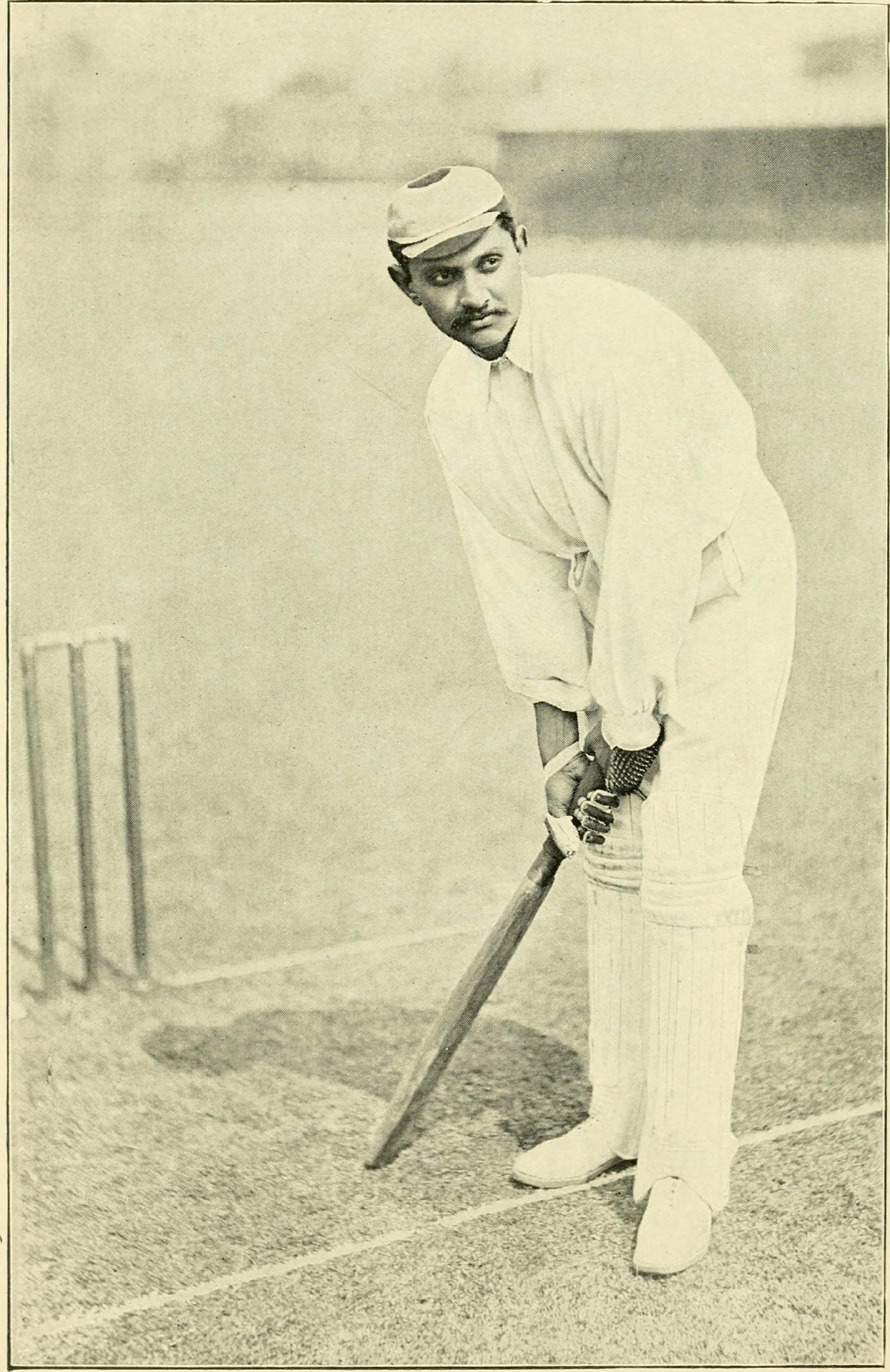
A colonial game, taken over
Cricket arrived with the British and was played first by them. Indians entered it through the Parsis of Bombay, who formed clubs from the middle of the nineteenth century and toured England before anyone else from the subcontinent did. Hindu and Muslim clubs followed.
What that produced was a tournament structure organized explicitly by religion. The Bombay competition grew from a European-versus-Parsi fixture into a triangular, then quadrangular, then pentangular event with Europeans, Parsis, Hindus, Muslims, and a catch-all Rest side. It was the most popular sporting event in India for decades, and it taught spectators to view sport as a form of communal representation. Gandhi opposed it on precisely those grounds, and the Board of Control for Cricket in India (BCCI) phased out the tournament in the 1940s in favor of the regionally organized Ranji Trophy.
K.S. Ranjitsinhji, a Kathiawar prince who went to Cambridge, played for England in the 1890s because there was no Indian team to play for, and became one of the most admired batsmen of his era while being written about in frankly racialized terms. India played its first Test match in 1932 and won its first in 1952. For the next three decades, it was a respectable side that rarely won abroad.
1983 and the reversal
India won the World Cup at Lord’s in 1983, beating a West Indies team that had dominated the format and was heavily favored. The immediate effect was a surge of interest in limited-overs cricket; the durable effect was structural.
Because India’s television audience was so large, the commercial value of international cricket increasingly depended on Indian viewers. Broadcast rights, sponsorship, and eventually scheduling followed that money. Over the following two decades, the game’s financial center moved from England and Australia to the subcontinent, and the Board of Control for Cricket in India, a private society rather than a government body, became the wealthiest and most powerful organization in world cricket.
India won the inaugural T20 World Cup in 2007 and the fifty-over World Cup again in 2011, at home. Sachin Tendulkar’s career, spanning 1989 to 2013, encompassed the entire transformation and carried an expectation no player should reasonably have to bear.
The IPL
The Indian Premier League launched in 2008 with city franchises, player auctions, international recruitment, film-industry and corporate ownership, and a television window built for prime time. It fused sport, celebrity, advertising, and gambling-adjacent fantasy platforms into a single annual event and became one of the most valuable competitions in world sport.
Its consequences are contested and mostly not in dispute on the facts. Domestic players earn sums that were previously unimaginable, and cricketers now emerge from small towns rather than mainly from the metros. Franchise leagues in other countries copied the model, and international scheduling has been reorganized around club windows. Corruption cases involving spot-fixing led to suspensions and to a Supreme Court–appointed committee that forced governance reform on the BCCI. Whether the format is displacing Test cricket is argued about annually.
Hockey, and what a decline looks like
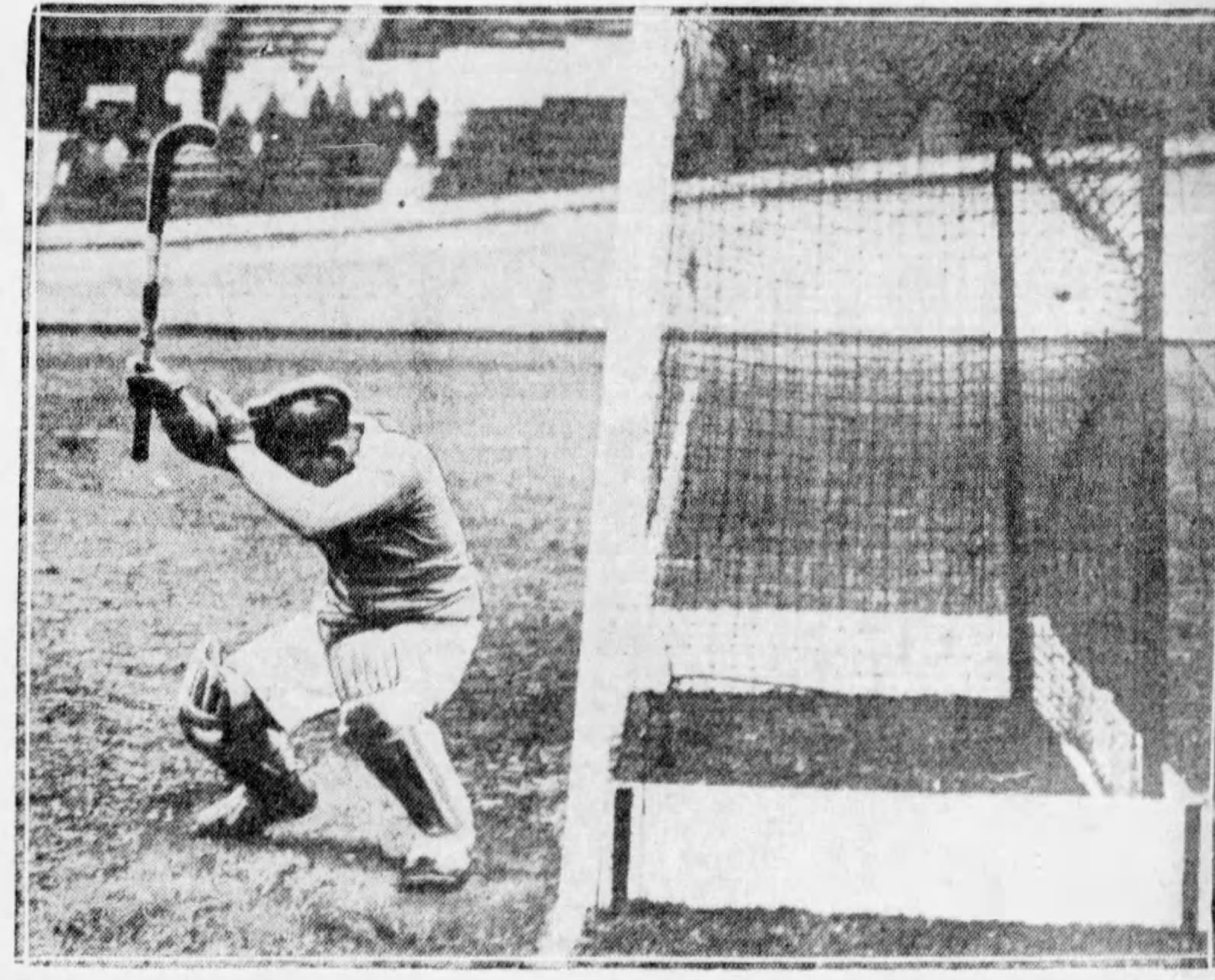
India won six consecutive Olympic gold medals in men’s field hockey from 1928 to 1956, and eight in total, the last in 1980. Dhyan Chand’s reputation from that era survives as national memory in a way no cricketer’s did until Tendulkar.
The decline had specific causes rather than mysterious ones. The shift from grass to artificial turf in the 1970s favored countries that could build and maintain expensive surfaces and rewarded a more physical, structured game over the dribbling skill Indian and Pakistani teams had built their play around. Administrative dysfunction did the rest. The men’s team took bronze at Tokyo in 2021, ending a forty-one-year medal drought, and the women’s team’s fourth-place finish at the same Games drew an audience that surprised almost everyone.
Everything else
India’s Olympic record remains poor relative to its population, and the reasons are structural: sport is not embedded in schools or universities at scale, facilities are concentrated, and athletes typically depend on state employment, a handful of corporate programs, and family sacrifice. Abhinav Bindra won the first individual Olympic gold in shooting in 2008. Neeraj Chopra’s javelin gold at Tokyo in 2021 was the first in athletics.
Wrestling and boxing consistently produce medals, drawing on established regional cultures, particularly the akhara wrestling traditions of Haryana and western Uttar Pradesh, and federation politics have repeatedly damaged both; wrestlers protesting against the wrestling federation’s leadership in 2023 made that clear nationally. Badminton has produced world-class players in Saina Nehwal and P.V. Sindhu, and a coaching system in Hyderabad that actually works. Chess has done best of all: Viswanathan Anand held the world championship for years, and D. Gukesh won it in 2024, with a depth of junior talent behind him that no other Indian sport can match.
Football has a long-standing following in Bengal, Goa, Kerala, and the Northeast. India was awarded Asia’s place at the 1950 World Cup after other teams withdrew but declined to participate, and the national team has never appeared at the tournament. Kabaddi, an indigenous game, was successfully professionalized as a televised league from 2014 and demonstrated that the audience will follow a well-produced competition that is not cricket. That is the more useful lesson, and it has been learned slowly.