
Ritual, Pilgrimage & Lived Religion
A census asks for one religious identity. A doctrinal history explains authoritative texts, institutions, and beliefs. Neither question fully captures what people do: light a lamp before work, tie a thread after making a vow, carry food to a shrine, walk a pilgrimage route, ask a saint or deity for a child, consult an astrologer, join a neighborhood procession, or keep a sacred image beside a smartphone. Lived religion is a way of studying those practices and relationships. It is not another religion, nor a polite synonym for superstition.
Practice is not doctrine performed imperfectly
The formal traditions described on this site’s other religion pages matter. Scriptures, law, theology, monastic orders, clergy, and reform movements shape conduct. But ordinary practice is not simply a failed copy of a text. It is learned through family, neighborhood, occupation, gender, caste, region, media, and repeated participation. People select, combine, reinterpret, or refuse what institutions prescribe.
A household altar can hold a deity, a guru, a saint, an ancestor, a landscape, and a recently deceased relative in a single visual field. The arrangement may change with marriage, migration, illness, or a new devotional commitment. A Muslim family may visit a Sufi dargah while disagreeing over whether such a visit is proper. A Catholic festival may acquire local foods, processions, vows, and music not specified by church doctrine. Sikh practice can center on the Guru Granth Sahib and congregational worship while also being shaped by caste, locality, and family custom.
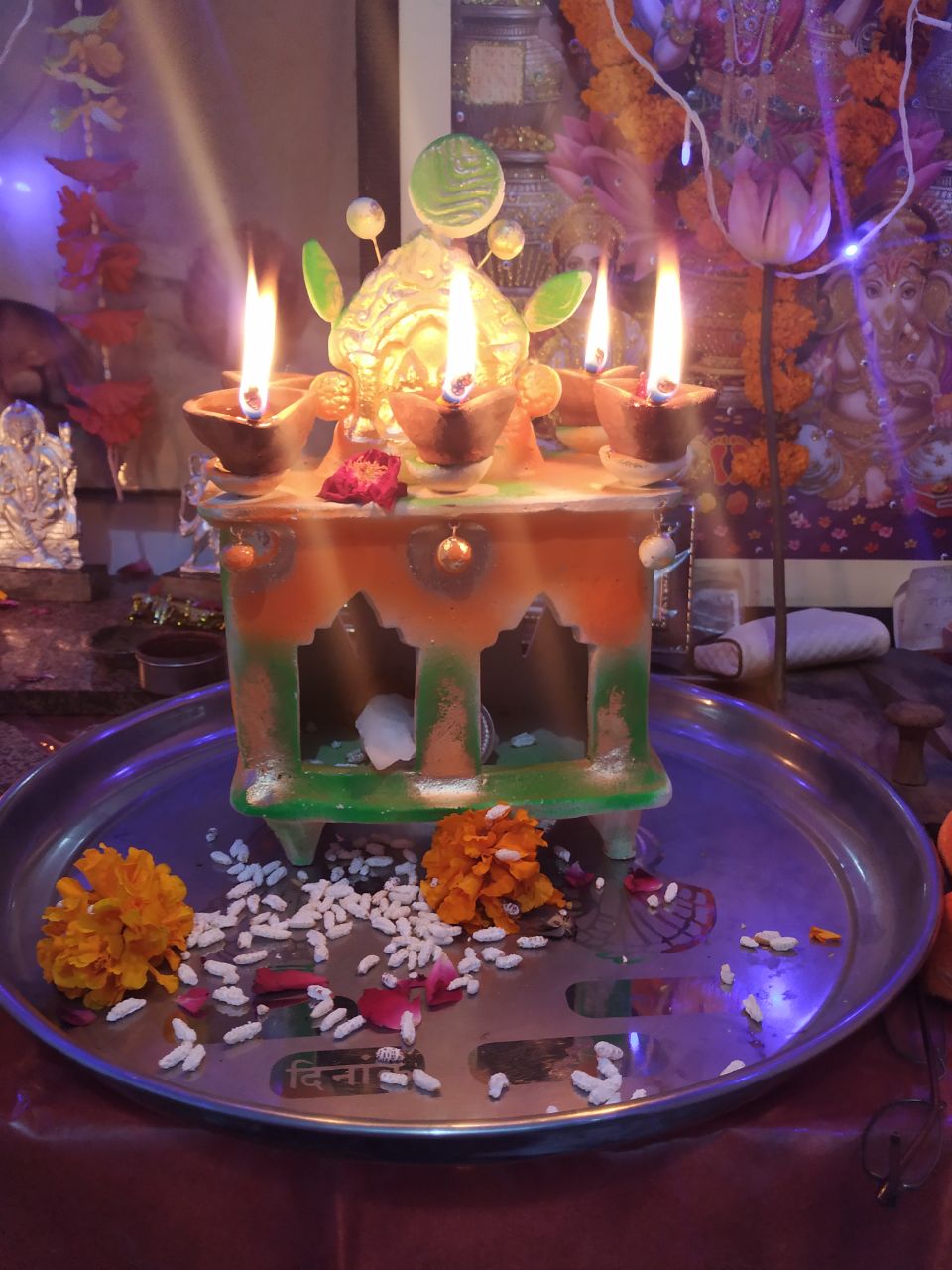
Seeing, receiving, serving
Religious vocabularies do not translate into one universal system, but several recurring actions help orient a visitor:
- Darshan is an encounter through seeing and being seen by a deity, a revered person, or a sacred place. The image is not merely an illustration contemplated from a distance.
- Prasad is food or another substance offered and returned in blessed form in Hindu and some related settings. Langar is the meal served to all in a Sikh gurdwara, made through donated provisions and collective labor. At Muslim shrines, blessed food or objects may be called tabarruk.
- Seva means service, but what counts as service and to whom differs by tradition: cooking, cleaning, donating labor, caring for pilgrims, or serving a deity or community.
- A mannat is a vow or petition often accompanied by a promised act—an offering, fast, journey, or gift—if help is received.
These terms overlap in social effect without being interchangeable. Receiving food can establish a sense of belonging and equality, reinforce a hierarchy of giver and recipient, or do both at different times. Removing shoes, covering the head, circling a shrine, joining a queue, or eating together make religious space through the body. Access is also governed by rules of caste, gender, initiation, purity, security, and local custom, which determine who may approach what.
Vows, efficacy, and exchange
People approach shrines with practical as well as ultimate concerns: fertility, illness, examinations, employment, marriage, court cases, rain, a safe journey, or relief from fear. A vow creates a sequence—request, waiting, fulfillment, return—through which an uncertain event can be narrated and remembered. Offerings range from flowers and cloth to hair, miniature objects, money, food, animal sacrifice (where practiced), or a demanding journey.
Describing this as a simple purchase from the supernatural misses the relationships involved. A gift may express gratitude, submission, love, obligation, or public testimony. Its distribution supports priests, attendants, cooks, musicians, artisans, beggars, animals, and other worshippers. At the same time, religious economies can accumulate great wealth and conceal coercive demands. Attention to meaning should not exempt an institution from questions about money or power.
Healing practices likewise cross categories. A family may visit a clinic, a shrine, a diviner, and a pharmacy without experiencing them as mutually exclusive. Sacred ash, water, amulets, exorcism, spirit possession, prayer, and vows can locate suffering within moral and social relationships that biomedicine does not address. They can provide community and relief; they can also delay effective treatment or expose vulnerable people to abuse. “Traditional” and “modern” are not reliable labels for deciding which is happening.
Pilgrimage makes a network
A sacred place is produced by movement. Hindu yatra, Muslim ziyarat, Sikh visits to gurdwaras, Buddhist circuits, Jain temple networks, and Christian feasts differ in theology and practice. Yet, each depends on routes, calendars, accommodation, food, guides, transport, and stories carried home. The journey can be an austerity, a holiday, a family obligation, a political statement, or several of these at once.
Pilgrimage also generates archives. Some priests preserve genealogical registers for visiting families. Inscriptions and donations record older journeys; songs and printed guides establish itineraries; livestreams and messaging now allow remote participation while advertising the physical destination. Railways, roads, airlines, and organized tours enlarge the possible public. State agencies manage traffic, sanitation, policing, emergency care, and sometimes the shrine itself.
Scale changes ritual. A neighborhood procession negotiates a few streets; the Kumbh Mela temporarily reorganizes a city and riverbank for enormous crowds. Standard barriers and digital tokens can make a queue safer while reducing the time spent in the encounters. Development can help older or disabled pilgrims, but it can also displace residents or small vendors. The infrastructure is not external to religion: it determines how bodies can reach the sacred.
Shared shrines, distinct understandings
Across South Asia, dargahs of Sufi saints have often attracted Muslims and non-Muslims seeking blessings, healing, or the fulfillment of vows. Some goddess shrines, village deities, holy people, churches, and healing centers similarly draw a public beyond a single census community. That does not prove an undifferentiated, timeless “syncretism.” Visitors can perform the same gesture in different ways while understanding the figure before them.
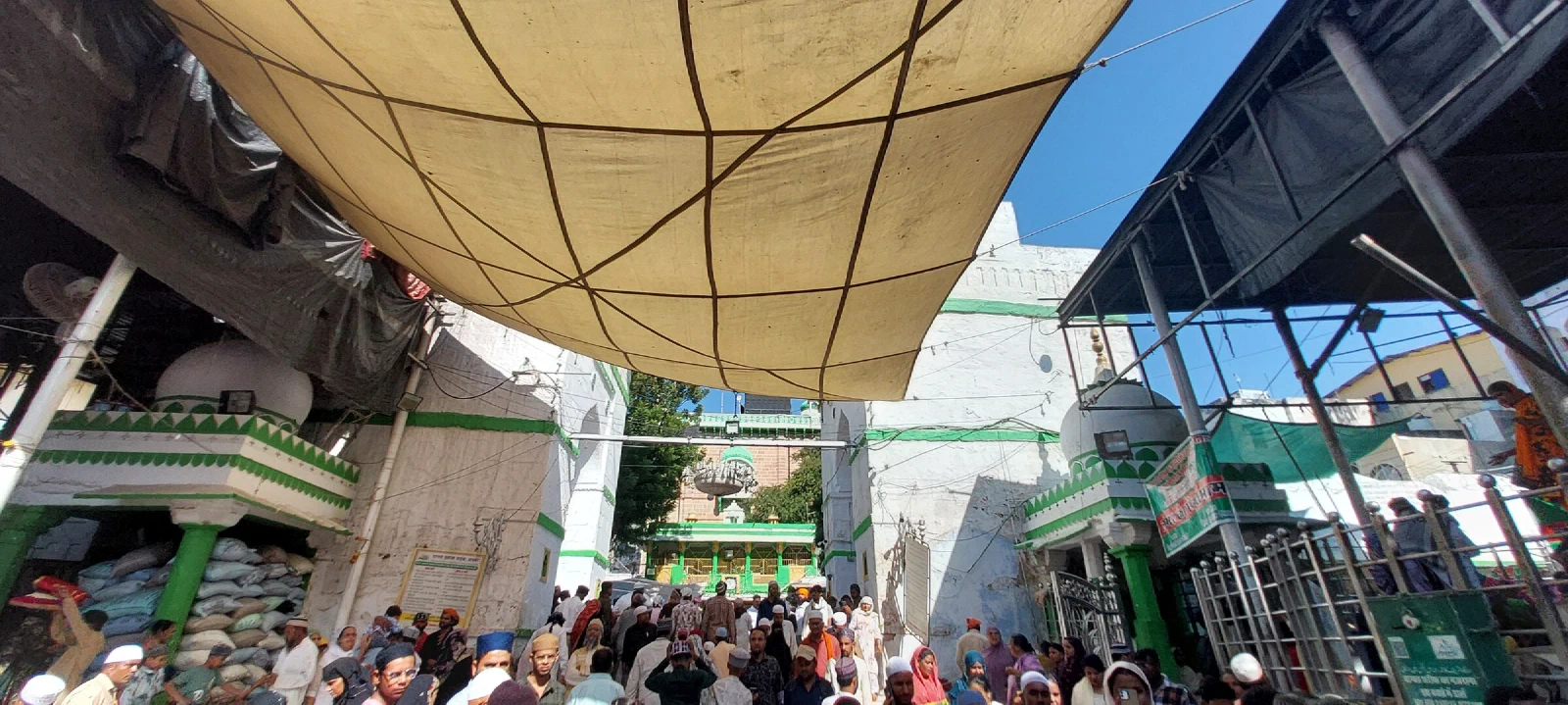
Ajmer Sharif, the dargah of the Chishti saint Mu’in al-Din Chishti, brings together hereditary attendants, religious scholars, pilgrims, vendors, political visitors, charitable food, music, and state security. For one visitor, the saint’s intercession may be central; another may emphasize respect for a holy person, cultural inheritance, or a vow fulfilled. Reformers within a tradition may criticize practices that other adherents cherish. The shrine is shared in the sense of multiple participation, not common agreement.
Boundaries can harden as well as blur. Religious reform movements have often tried to remove practices they define as accretions, discipline those who may speak for a community, and standardize worship across regions. Courts and governments classify institutions to regulate property, marriage, inheritance, and access. Electoral politics can recast an old local practice as proof of exclusive ownership. What looks harmonious in a photograph may contain disputes over management, caste, gender, sound, procession routes, or the right to name the sacred figure.
Labor, authority, and public space
Ritual requires work. Priests, imams, granthis, pastors, monks, nuns, musicians, flower sellers, cooks, barbers, cleaners, security staff, transport workers, guides, and hereditary service groups keep religious places functioning. Some labor is paid, some donated, some attached to office or caste, and some made invisible by the language of devotion. Gender often decides who prepares an offering and who performs it publicly.
Institutions also have legal and financial forms: trusts, societies, temple endowments, waqf property, church bodies, monastic orders, and statutory boards. Donations may support schools, clinics, kitchens, festivals, and relief. They can also generate disputes about accounting, succession, state control, and whether a hereditary or elected authority represents the worshippers. The category “religion” does not place these institutions outside ordinary questions of governance.
Street processions make sound, sequence, and territory visible. They can build neighborhood cooperation and collective joy; they can also become tests of dominance, particularly when routes pass another community’s place of worship. Noise rules, permits, policing, and court orders then shape ritual expression. Secular government does not stand apart from lived religion. It regulates crowds and property, recognizes some institutions, subsidizes or taxes activities under changing rules, and decides which claims can occupy public space.
Lived religion is valuable as a lens because it refuses two easy reductions: that Indians mechanically obey ancient traditions, or that religious life is only private belief. Practice is creative but not unconstrained; embodied but institutional; intimate but political. The ordinary act—a lamp lit, a meal served, a vow completed, road walked—connects a person to histories and systems larger than the moment.